TEAM
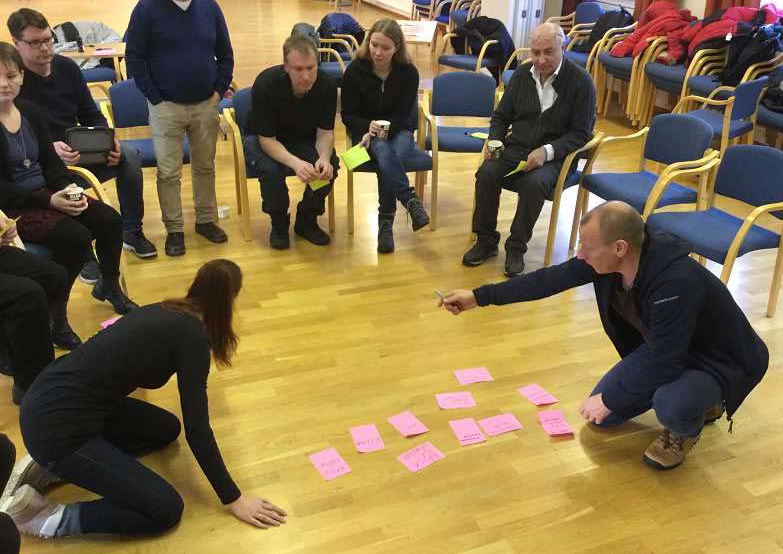
The collaborative research methodologies we employ are based on the socio-constructivism approach; the Social Analysis Systems² (SAS) http://www.sas2.net tools and techniques were developed by Chevalier (Carleton University). This approach is used for co-facilitating the focus groups, analyzing the research findings anddesigning the scenarios. SAS² offers concepts and tools designed to support collaborative research and social action. It broadens and deepens diagnostic thinking about real-life situations so that the people involved can creatively solve problems and increases the effectiveness of decision-making. SAS² enhances the capacity to develop and apply new knowledge, especially in multiple-stakeholder settings in which effective dialogue across boundaries is needed. In the BOAZU project, young people (age 12 to 18) will be involved in the process as co-researchers. The aim is to encourage them to imagine their own future and give them a chance to take decisions about what this will be by conducting interviews with family members and producing videos.The development of this co-designed and co-led community-based project has required several stages and once launched will be conducted over a period of four years.
The research team consists of three types of partners:
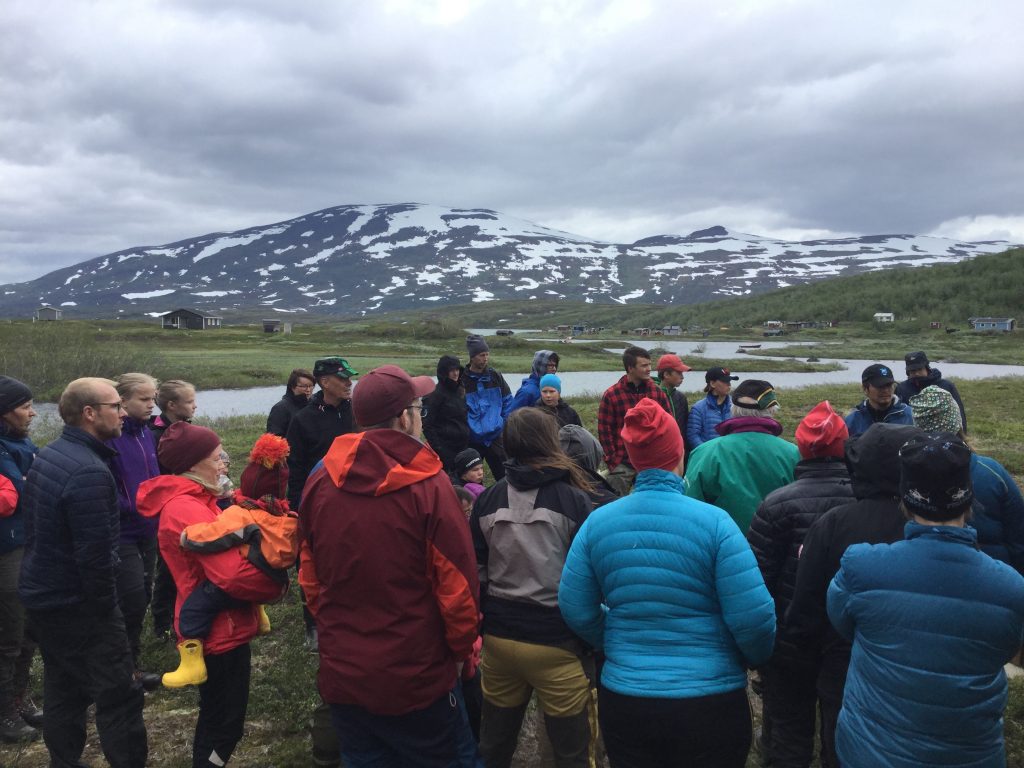
– Members of two Sameby in Sweden (Jåkkåkaska and Saarivuoma) in the first year, extended to three other Sameby (in forested areas) in the following years
– Saami school teachers and directors from Jokkmok, Gällivare and Karesuando schools (primary, secondary, college and adult Saami schools in Jokkmokk
– Saami Parliament representatives and the Saami Reindeer Herders’ Association
– Academics from the Universities of Umeå, Luleå, Tromsø, Rovaniemi and Oulu in Sweden, Norway and Finland
– The French research programme team (Blangy, project research colleague and student) fild trip costs will be supported by IPEV. Other source of funding will be
looked for to cover the expenses of our Scandinavian colleagues.
– Collaborations have been developed with several Scandinavian research colleagues (cf Collaborations paragraphe). They all agree to be involved to some degrees.
Some of them are willing to share their experience at the Kick-off workshop in Jokkmokk. Others will be consulted later and according to the outcome of the
workshop.
Over the years, Sylvie Blangy has developed strong relationships with these partners, through the Saami component of the ‘Tuktu’ project (Inuit/Saami youth
exchange) and the OHM Nunavik program. She has invited representatives from these bodies to take part in three international workshops on local and scientific
knowledge in Québec (2007), Ottawa (2009), and Paris (2011).
Project main collaborators in Sweden will include:
- Mikael Pirak, Director of the Jokkmok school and coordinator of the four Saami schools in Sweden
- Jan Eric Länto, Jåkkåkaska Sameby chairman
- Ricard Länto, Jåkkåkaska Sameby board member
- Helena Länto, reindeer meat factory director
- Niklas Labba, Director of the Saami language program at the Norwegian Saami Parliament, and newly appointed as the Director of the Saami Research
Center at Tromsø University - Osa Larson Blind, President of the Saami Council in Kiruna, reindeer herder and member of the Saarivuoma Sameby
- Per Nils
- Päiviö, Saami tourism business in
- Øvre Soppero, reindeer herder from the Saarivuoma Sameby
- Elli-Siri Labba, living in Øvre Sopper and reindeer herder from the Saarivuoma Sameby. They will be involved according to their availability and level of interest.
Others have expressed an interest in joining the project and will be added in the course of the project