METHODOLOGY
The project will combine several approaches: participatory workshops, community-based research, comparative studies, cross-cultural exchanges, individual interviews, regional workshops and a collaborative research website.
The BOAZU project will be entirely Sameby-based and conducted in a collaborative way by a team of academics and Saami scholars. It will be supported by the long-lasting relationships developed over the past 10 years with the Saarivuoma Sameby and more recently with the Jåkkåkaska Sameby through the Saami school and its director, Mikael Pirak. We will work in partnership with several Sameby members, a group of Saami scholars who we have worked with on previous projects and who are now familiar with the PAR (Participatory Action Research) approach, representatives of local organizations, and a group of academics from four Scandinavian universities.
For this new project, we will identify members of the Sameby who want to participate. In anticipation of this we can count on a small but motivated group of Sameby members to conduct further studies. We will strengthen this existing research unit by hiring more people (on temporary contracts), such as Saami students and elders as advisors and knowledge gatekeepers. The main stakeholders will be the Sameby members and the teachers and directors of the Saami schools. We will also be open to other Sameby and community groups living in the Jokkmok area that are willing to join the project.
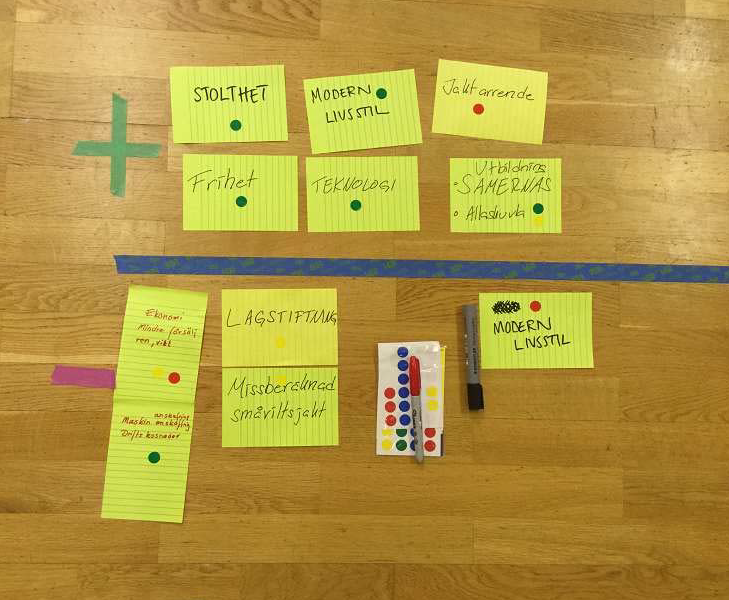
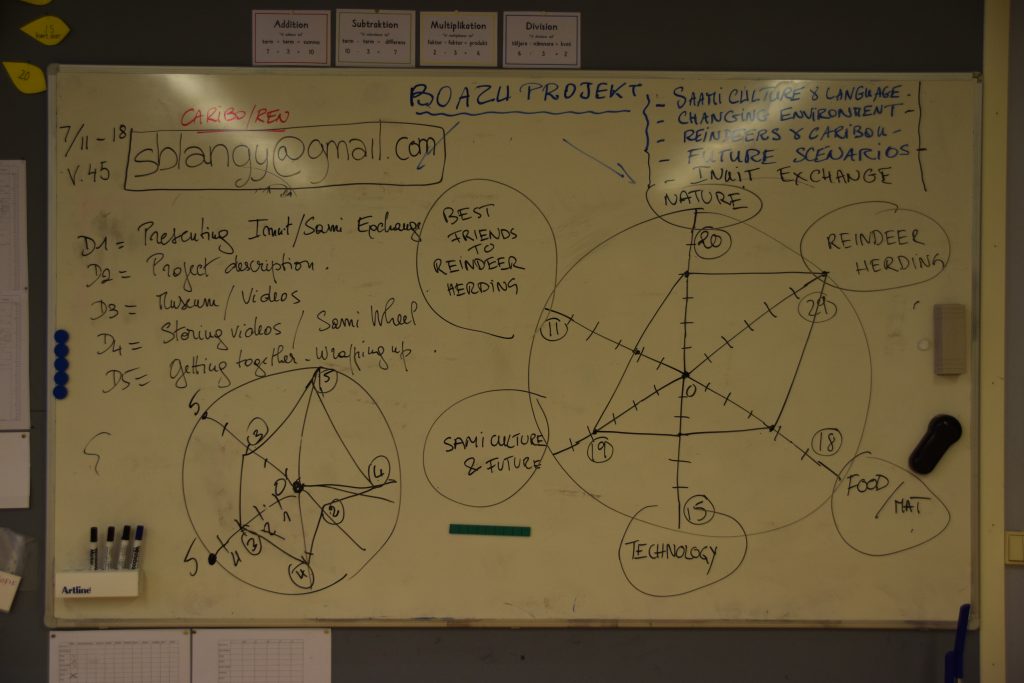
The approach will involve participatory and collaborative techniques and tools developed by Chevalier and Buckles (www.sas2.net) and adapted by Blangy to an aboriginal context. These tools have been tested with the Cree, Saami and Inuit communities and have been extremely well received by local research collaborators (see Deffner and Tester report on TUKTU project). This approach has proved successful in building research opportunities within Inuit and First Nations communities. Our team used them at the Ottawa SSHRC-funded TUKTU/PORO workshop in June 2009, which gathered 15 academics and 15 aboriginal representatives (Inuit, Saami and Cree) to look at collaborative research issues and approaches and develop new collaborative research programs.