GOALS


General objectives
The goals of the BOAZU project include the following:
- To study and understand the cumulative impacts of environmental, social and economic change on reindeer herding and the future for Saami youth
- To develop and conduct a research project that addresses the main issues facing the Saami reindeer herders of Sapmi
- To define the urgent needs and concerns that reindeer herders confront by co-designing research questions and choosing methodology together with the community
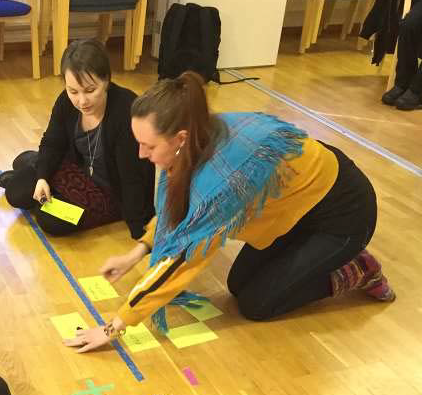
- To include young people (age 12 to 18) in the process as co-researchers, encouraging them to imagine their own future and giving them a chance to take decisions about what this will be by conducting interviews with family members and producing videos
- To raise awareness in Sweden regarding the issues that Saami reindeer herders face (e.g. climate, food availability, predation pressure, border conflict, access to land, industrialization, discrimination, education, jobs, language issues), and their cumulative impacts
- To continue the Inuit/Saami youth exchange program between the schools of Baker Lake, Nunavut and Jokkmok and Gällivare in Sweden
- To develop comparative studies and cross-cultural exchanges between Baker Lake, Nunavut (gold and uranium) and Kangiqsujuaq (nickel) in Nunavik and the Jåkkåkaska Sameby in Sweden.
Originality and/or novelty of objectives
This research project is the first of its kind in employing a co-designed approach led from the outset by Sameby reindeer herders from Sweden and Norway. The herders are best-placed to know their needs and the type of resources needed to conduct the project. Their local knowledge about reindeer herding over the year, seasonal landscape use and the daily effects of the winds and weather will inform the project. We anticipate that the results could initiate a new type of governance for the reindeer-herding landscape, including addressing issues of predator control, mining, wind farms, and the level of hunting and fishing compatible with reindeer herding. Additionally, it will give reindeer-herding youth a better chance to control their own future.’