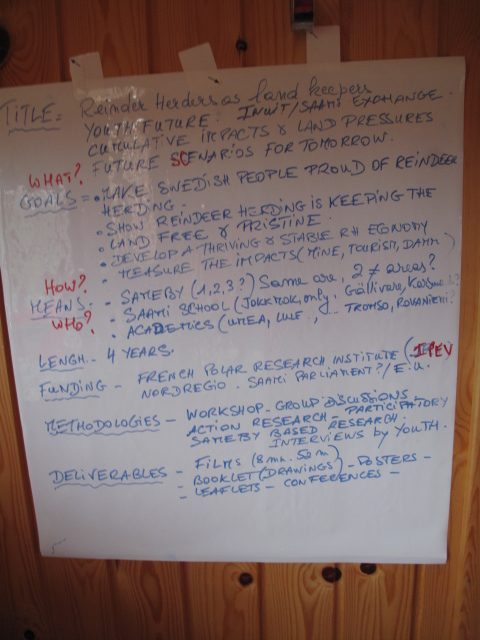
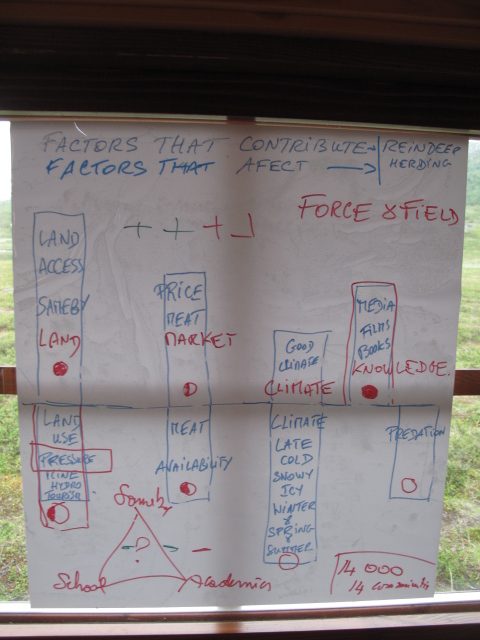
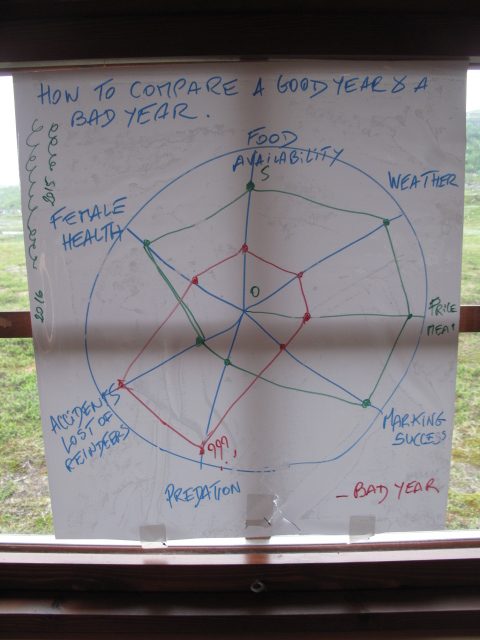
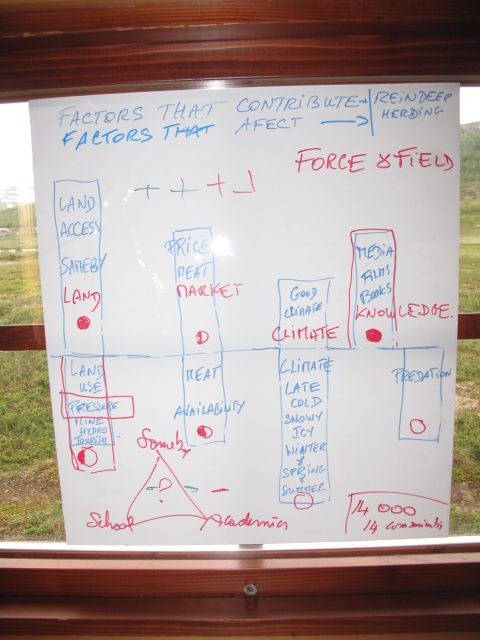
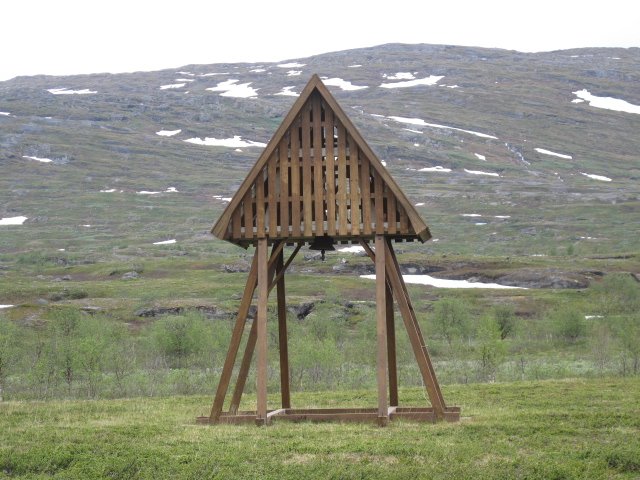
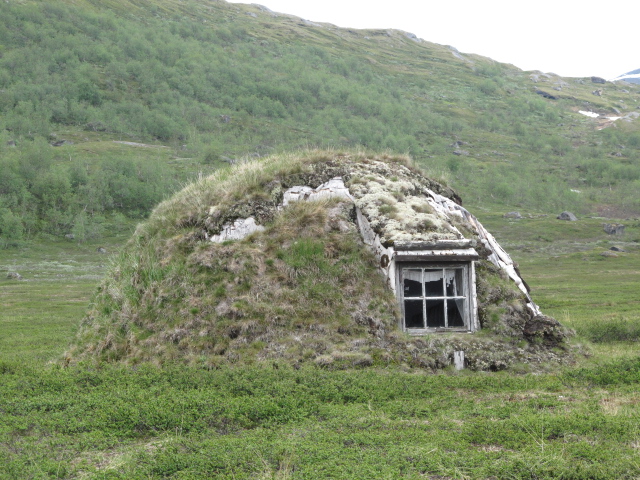
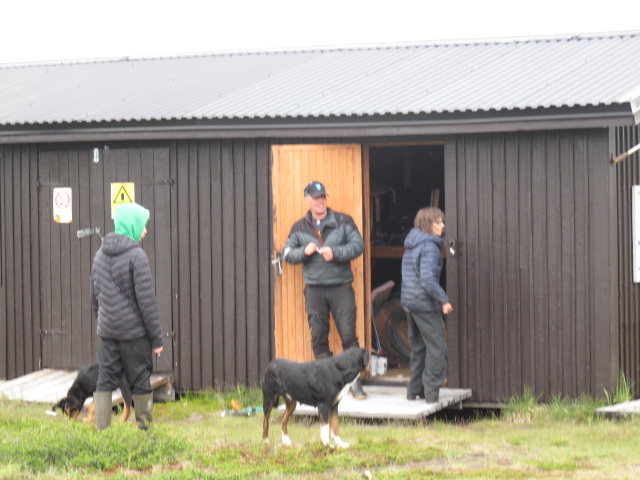
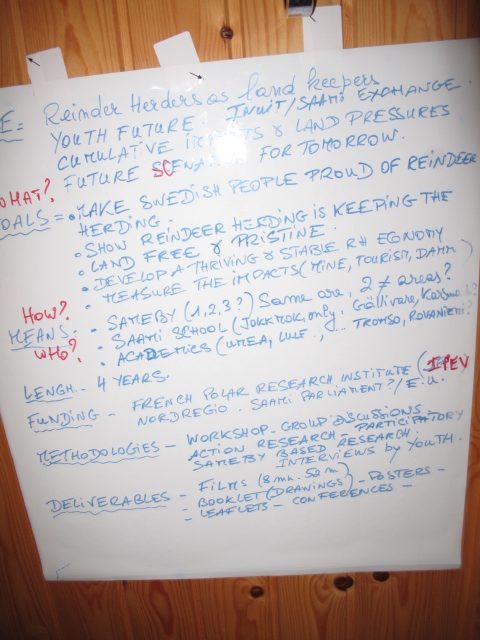
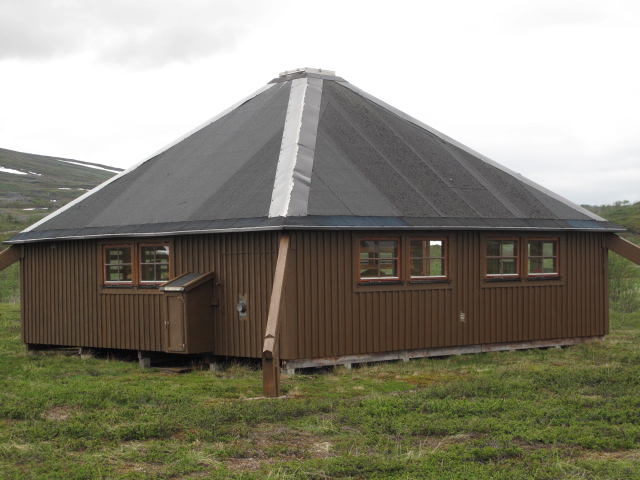
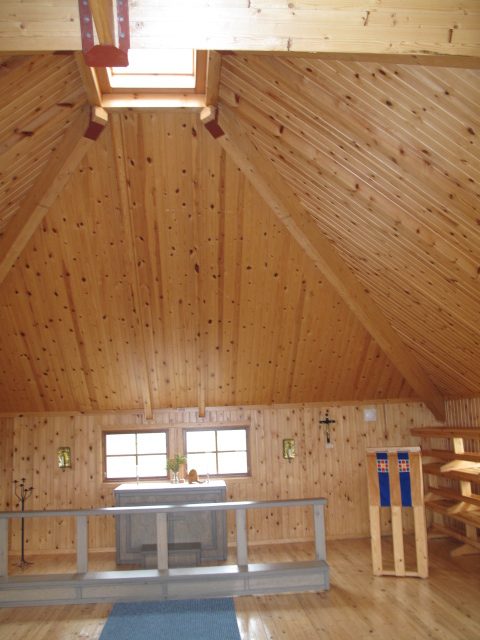
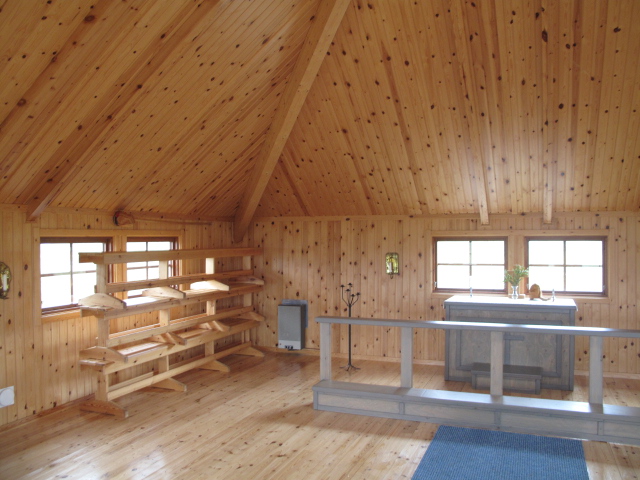
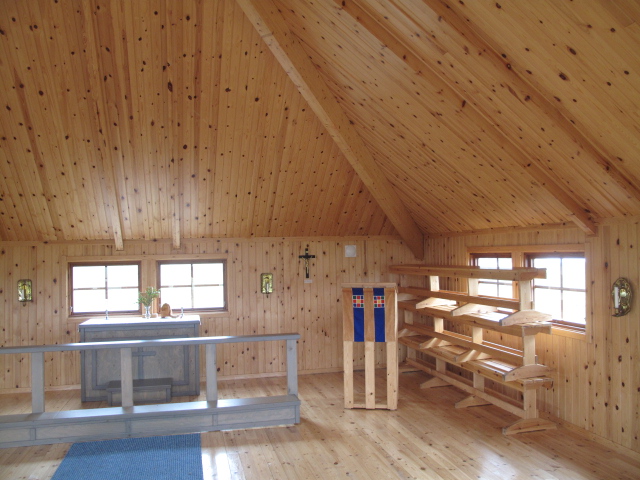
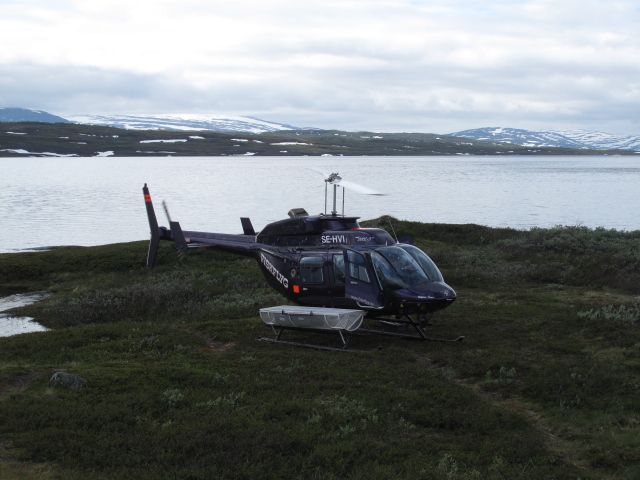
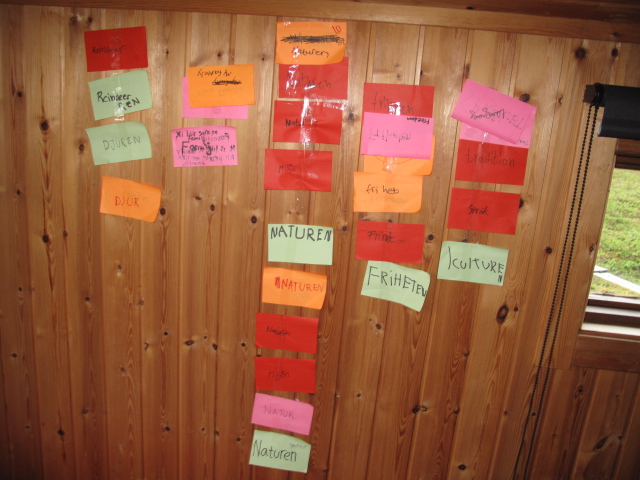
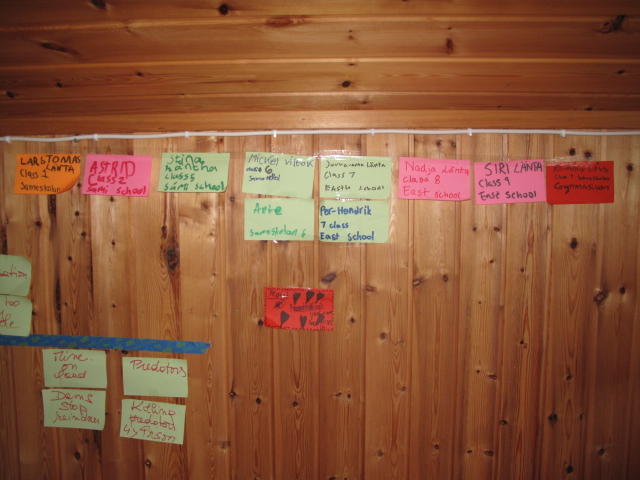
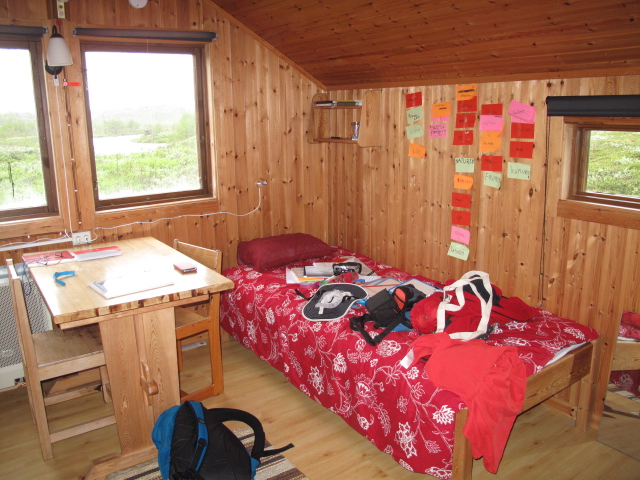
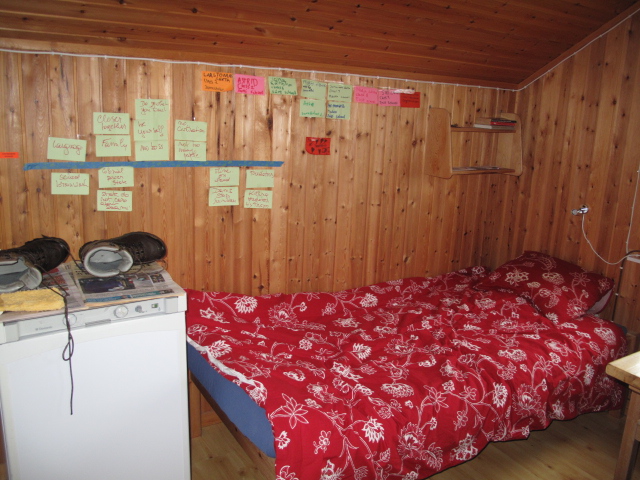
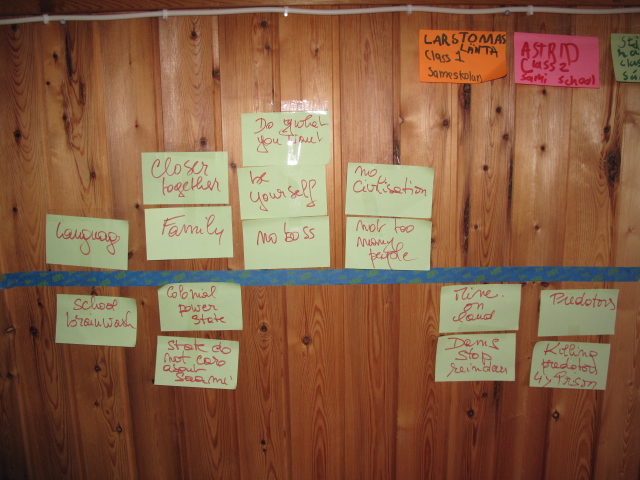
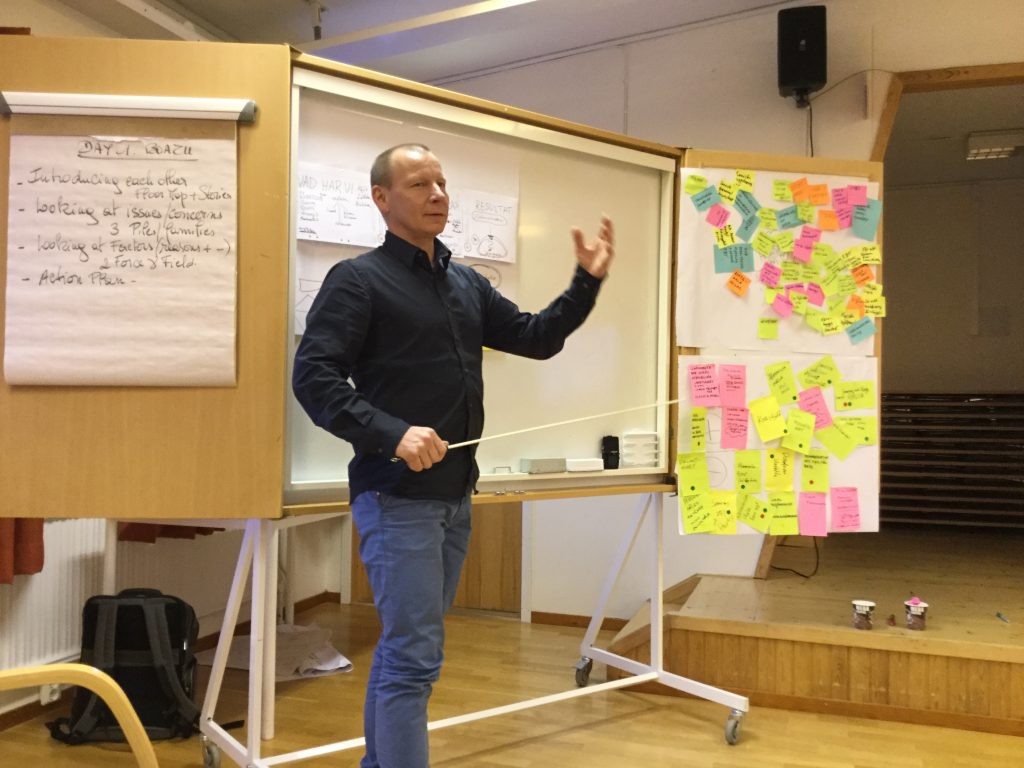
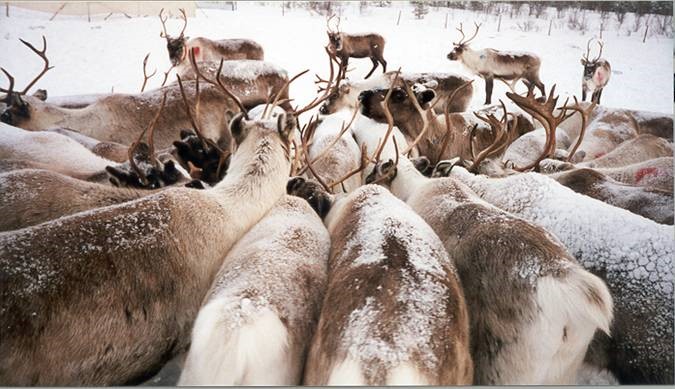
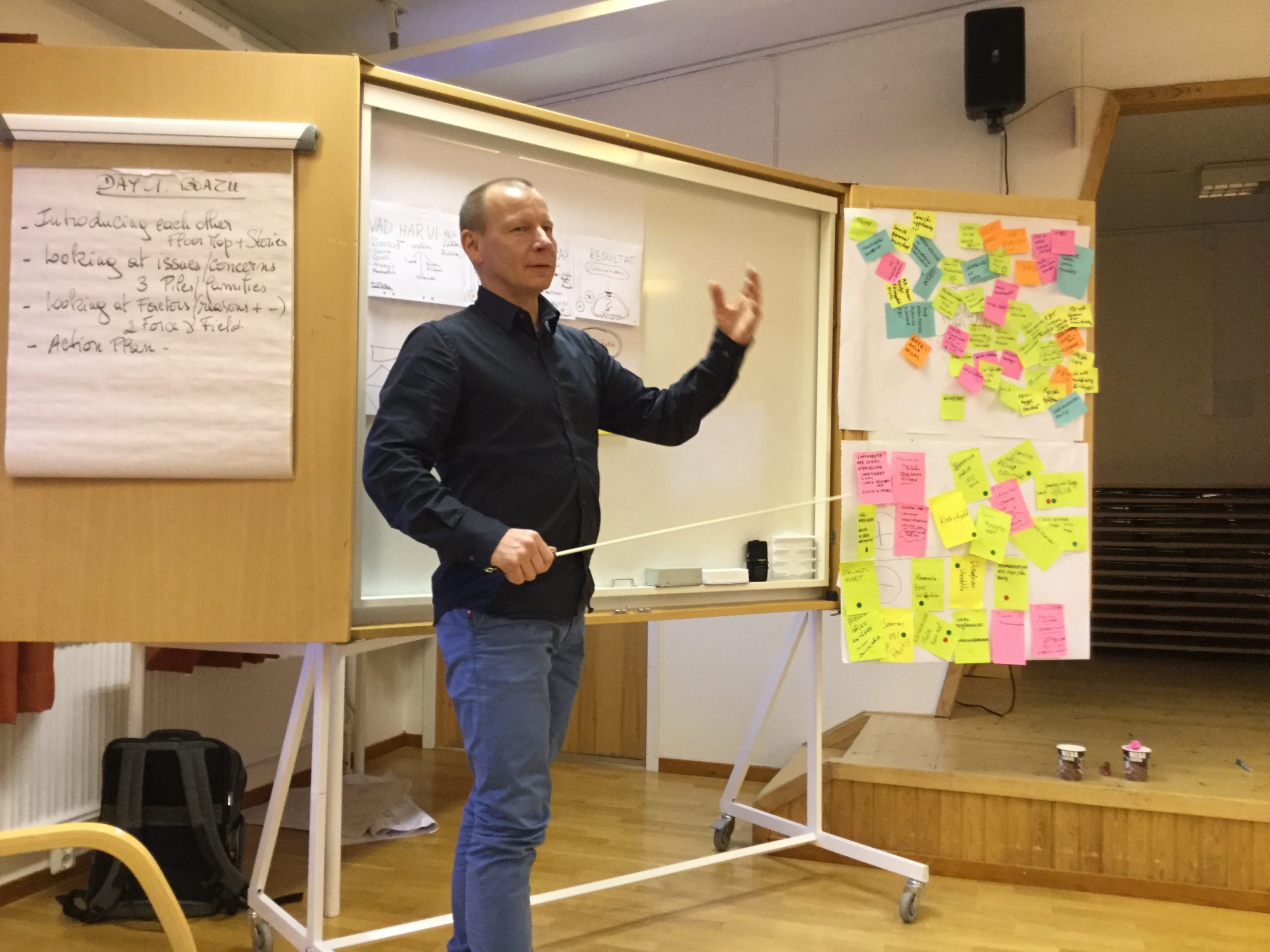
The BOAZU project was co designed in Arasluokta, North of Sweden in early July of 2017 with the members of the Jähkagasska Sameby. The children from 8 to 18 years old gathered several times in the Warden Cabin and filmed each other reflecting on their Saami culture and looking at the future of reindeer herding using, participatory action research techniques. They were given an IPAD and went to the traditional Kota watching grand-ma cooking the reindeer meat. The weather was cold. The mountains were covered with snow. The marking campaign was late. At the same time, we organised small workshops in the Saami church and developed some new tools to compare the good years and the bad years and looked at factors that contribute or hinder reindeer herding.
Niklas' letter of support
« The idea to develop research initiatives where local communities actively participate in defining research questions has become a new way of legitimizing research within both natural science and social science. Traditional knowledge is starting to be accepted as ” real knowledge” if it is understood within its context, and is often defined as geographically local and connected to the way of life of an indigenous groupe. To understand the different nyanses within a local knowledge system one must know its history and especially know what beliefs, visions, facts and stories are connected to certain geographic palaces or annual seasons. And to know what knowledge is superior and creates the fundament of the local knowledge system.
As an example one can look at sámi reindeer herders and their knowledge about the behavior of the reindeer. Within the reindeer herding sámi lifestyle the reindeer is known as the ”biegga njunni” (Boazu) The herder knows the reindeers behavior in the landscape during the annual seasons, and he knows the behaviors that are not connected to the annual seasons. The reindeer always walks towards the vind, undependent of the season, and the nose is always pointing towards the direction of the wind when it´s grazing. The ”biegga njunni” describes that the reindeer’s nose is sensitive to the vind. The herder also knows that the hovf triggers the reinders instinct to walk, dependent of the season. If the hof gets cold during winter time, the reindeer starts to walk towards the wind. During wintertime the reindeer prefers to be in places where the snow is deep enough to keep the hofs warm, and if the the hof would be wet during wintertime, the reindeer herd will ”rovgalit” start to walk in a line, behind each other, towards the wind.
To develop community based research projects within reindeer herding, the context of the reindeer herder must be understood. Reindeer herders often focuses on questions within their own knowledge framework, where the needs of the reindeer are in focus. Often these questions will appeal to natural science, where researchers can do observations and collect samples. Analyse the results and give answers to the research questions based on statistics. In contrast, social scientists want to understand the knowledge system from a holistic perspective. Describe the context of the reindeer herders life system, and try to understand the »real » questions, or the underlying factors that affects the reindeer herder lifestyle.
The boazo project is an approach where sami communities and researchers have developed a platform for community based research. »